
Penile implant surgery is not the first step for every man with erectile dysfunction, but it can be a very effective option when other treatments stop giving stable results.
Erectile dysfunction has become very common, and if it is not diagnosed and treated early, it can worsen over time, especially when the underlying cause remains untreated. Many men start with erection pills or injections instead of getting an early medical evaluation, and yes, they may get good results for a while.
But in some cases, especially when there are chronic conditions like diabetes, high blood pressure, poor blood circulation, nerve damage, or scar tissue inside the penis, the response to these medications becomes less predictable. Over time, this can negatively affect intimacy and sexual desire, and it often impacts a man’s confidence.

Read More: Stem Cell For Erectile Dysfunction
Types of penile implants
When we talk about penile implants, it is important for the patient to know that there is more than one type. Choosing the right model is not only about price. It also depends on lifestyle, hand strength, the cause of the erectile dysfunction, and what the patient expects in terms of comfort and how things look day to day.
In general, penile implants are usually grouped into three common options: the malleable implant, the 2 piece inflatable implant, and the 3 piece inflatable implant.
Malleable Penile Implant:
A malleable penile implant is made of two medical rods that are placed inside the penis. The penis stays firm all the time. The patient simply adjusts it by hand, down for daily life and up when he wants intercourse. This type is very simple to use and does not require a pump or a fluid reservoir.
However, some men find it less comfortable because the penis remains semi firm most of the time. It can sometimes feel noticeable under clothing, and for some patients it may cause discomfort or embarrassment at work or in public situations.

There is another point worth mentioning. With this type of penile implant, the penis may look smaller than the patient’s natural erection in terms of thickness, and in some cases the perceived girth can be reduced compared to what he had before.
From our clinical experience, we usually consider the malleable implant for specific situations, such as men with muscle or nerve conditions that clearly reduce hand function, patients with partial paralysis, or men over the age of 70 who may not have strong hand control. In these cases, we may recommend this option because it is straightforward and very easy to use.

Otherwise, for patients who do not suffer from any neurological diseases and have sufficient hand strength and appropriate penis size, there is no need to consider implanting a malleable penile implant. We do not recommend this type for such cases.
2 piece inflatable penile implant
This type has two cylinders inside the penis and a pump inside the scrotum. The fluid reservoir is built into the device itself, which means there is no separate reservoir placed inside the abdomen.
One of its main advantages is that the penis looks more natural in daily life compared to a malleable penile implant, and the patient can control the erection in a practical way. However, in some patients it may provide slightly less firmness than a 3 piece penile implant, simply because the total amount of fluid available is smaller when there is no separate reservoir.
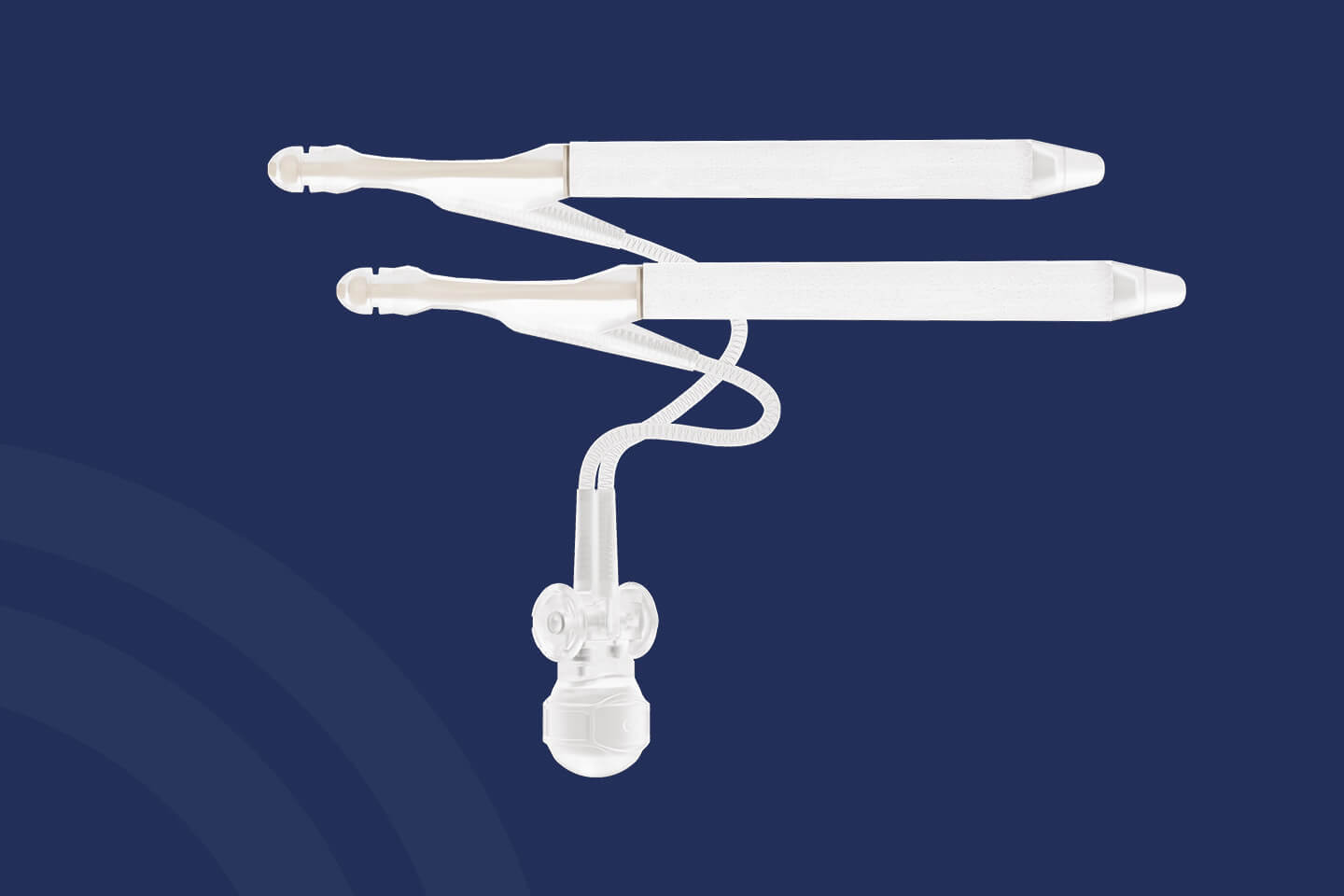
We most often consider a 2 piece inflatable penile implant for men who need an inflatable option but are not good candidates for placing a separate reservoir in the pelvis or lower abdomen. This can include patients with previous pelvic or abdominal surgery, adhesions, or anatomy that makes reservoir placement more difficult.
3-piece Penile Implant:
The three-piece inflatable penile implant is the most commonly used worldwide. There are two main versions: the first increases the penis width only, while the newer version increases both the width and length with repeated use during sexual intercourse.
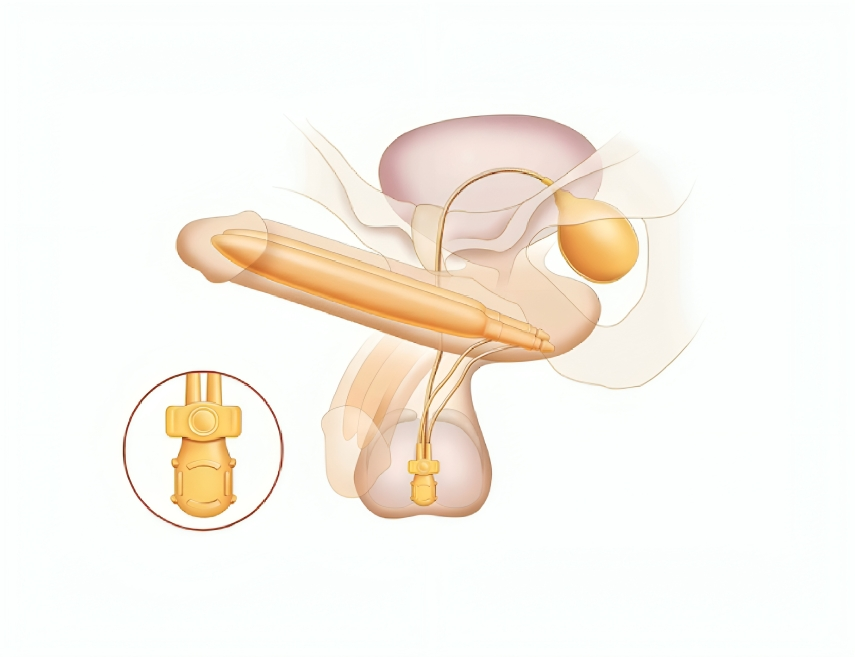
Three-piece inflatable penile implants consist of a fluid-filled reservoir implanted under the abdominal wall, a pump and a release valve placed inside the scrotum, and two inflatable cylinders inside the penis.
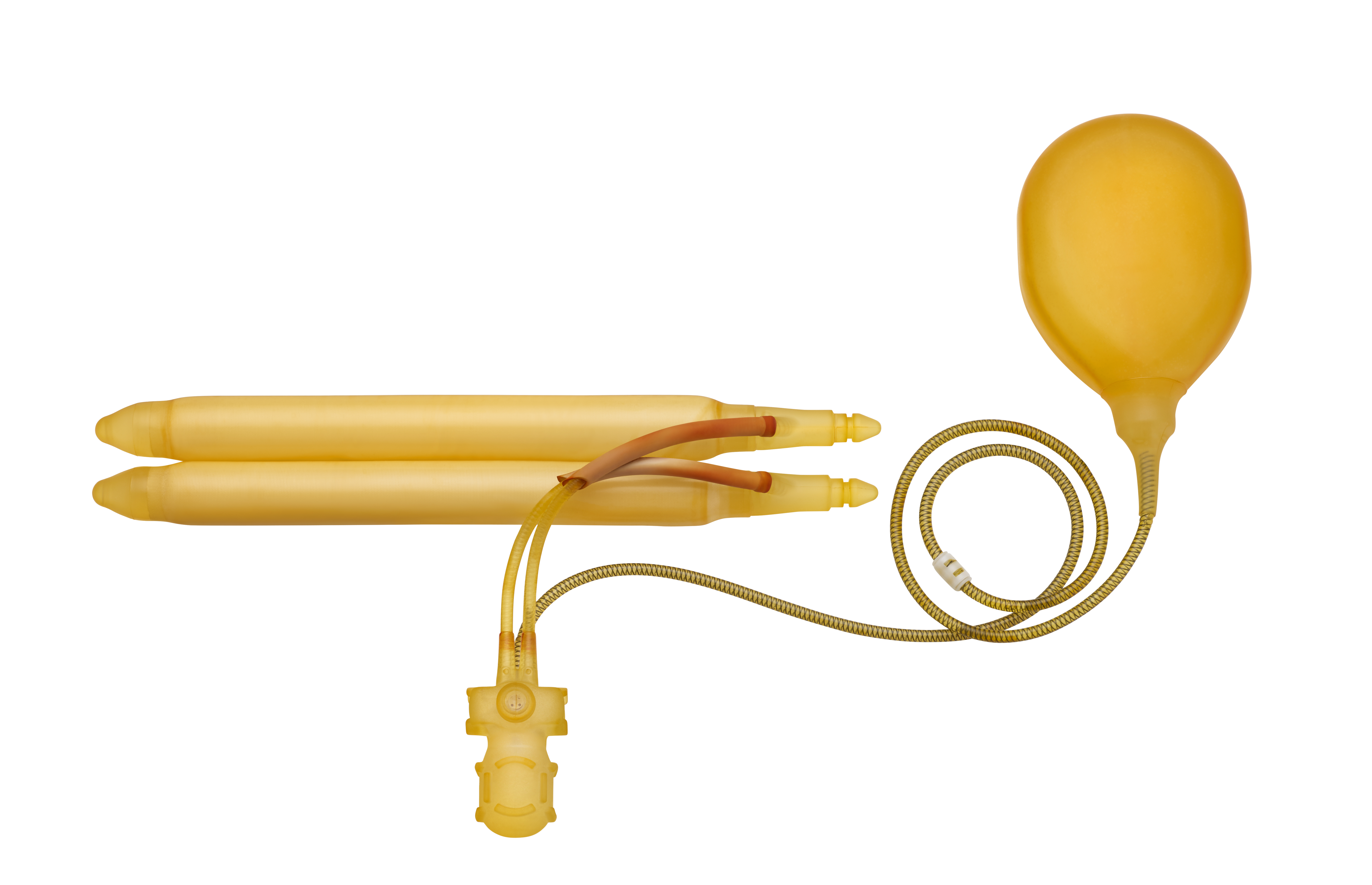
To achieve an erection, you pump the fluid (salt water) from the reservoir into the cylinders. Afterwards, you release the valve inside the scrotum to drain the fluid back into the reservoir.
One of the main advantages of the three-piece inflatable penile implant is the ability to control erections. Since an erection is not always needed, it’s much better to have a discreet tool that allows you to achieve it only when desired. This positively impacts both the patient and their partner, which is why 90% of the patients who come to us in Turkey choose this type of implant.

As mentioned earlier, some inflatable penile implants are designed not only to restore erectile function but also to increase both the length and the girth of the penis over time.
These represent the latest generation of implants and have become the most commonly chosen option for patients who suffer from erectile dysfunction and, at the same time, wish to enhance their penis size.
The two implants with this feature are the Rigicon Infla10 AX and the AMS 700 LGX. Both are equipped with length-expanding cylinders that allow gradual lengthening during regular sexual activity, in addition to immediate girth expansion after activation.
With these implants, the penile width can increase by up to 30%, and this difference is usually noticeable from the very first use. Regarding length, patients can achieve up to 2 cm of natural increase over a period of 6 to 12 months through regular sexual activity, as the cylinders gently expand over time inside the penile tissue.
Pros and cons of a penile implant
Like any medical treatment, a penile implant has clear advantages, and it also has points you should understand well before making a decision. The goal here is for the patient to see the full picture before traveling to Turkey, because a successful experience depends a lot on having realistic expectations from the start.
Pros
- A penile implant is one of the most reliable and consistent solutions for erectile dysfunction.
- It gives you firmness you can depend on, without waiting for a medication to kick in, and without the stress of it working one time and not the next.
- Inflatable implants can offer a very natural daily appearance, with better comfort for walking, moving, and wearing normal clothes.
- This often has a positive effect on a patient’s confidence and on the relationship with his partner.
- In some cases, when erectile dysfunction has been present for a long time and the quality of full erections has been reduced, some men notice shrinkage. In these situations, certain 3 piece models may help improve size capacity over time with proper cycling after healing and by following the post op instructions.
Cons
- An implant is a surgical and long term solution. It is not a “trial step”, so the decision requires careful medical evaluation and an honest discussion of all details before surgery.
- There are known surgical risks such as infection, bleeding, and pain in the early period. We reduce these risks as much as possible, and in many cases to below 1 percent, by using strict sterilization, antibiotics, good diabetes control, and proper pre and post op instructions.
- Because it is a mechanical device, a small percentage of patients may have a device problem years later, and in that case a revision or replacement may be needed depending on the situation.
- The implant treats firmness only. It does not increase sexual desire and it does not treat ejaculation, orgasm, or sensation issues if they existed before, which is why correct diagnosis and proper evaluation are essential.
Penile Implant Brands: AMS, Coloplast, and Rigicon
When choosing a penile implant, the brand is not a small detail. The difference between manufacturers usually shows in material quality, how smooth the pump feels, the strength of rigidity, how the cylinders are designed, and the warranty terms.
In clinical practice, the three most widely used manufacturers worldwide are Boston Scientific AMS, Coloplast, and Rigicon.
AMS (Boston Scientific)

AMS has been one of the best known names in this field for around 30 years. It typically offers a 5 year warranty on the device based on the company’s terms. Many surgeons and patients like AMS because the pump is usually smooth to operate and the performance is consistent.
One of the most well known product lines is the AMS 700 series, including models such as CX and LGX. The AMS 700 LGX model is known for a cylinder design that can help some patients optimize length capacity over time with regular cycling after healing. At the same time, results vary depending on anatomy, the presence of scar tissue, and how well the patient follows post op instructions.
Coloplast

Coloplast is a well known Danish company. One of its most popular penile implant models is the inflatable coloplast Titan, and some patients prefer it because it can provide very strong rigidity and a natural feel when inflated. Coloplast also offers the Genesis model in the malleable category.
Regarding warranty, Coloplast is often described as offering a limited lifetime warranty, and many patients ask about it. We usually explain that the warranty applies to the device itself under the company’s conditions, while surgical and hospital costs are a separate topic and depend on the individual case.
Rigicon

Rigicon Penile Implant is an American company that has become a popular choice for many patients in recent years due to good manufacturing quality and competitive positioning. One of its well known models is the Infla10 AX, which is often discussed with patients who want ED treatment while also aiming for the best possible size optimization over time, especially length capacity, as long as they follow the post op instructions and cycling properly.
What matters most is that the choice of brand and model should be based on the doctor’s evaluation and the patient’s expectations. The “best device on paper” is not always the best option for every anatomy or every medical situation.
Important note for patients
Most manufacturer warranties cover the device itself, meaning replacement in case of a mechanical issue, under specific terms. They usually do not cover the surgical fees, hospital charges, or anesthesia, because these costs depend on the treatment plan and the patient’s situation.
The procedure:
Before going into the penile implant surgery, we prefer that patients visit the surgeon’s office at the Istanbul Urology Clinic. This allows us to check everything and request any necessary tests in advance.
This visit is important so the doctor can have a clear idea of how things will proceed during surgery and avoid any surprises. It’s also essential to make sure that other non-surgical ED treatments are not viable options for the patient.

1 – Before the operation
Pre surgery preparation is a key part of a successful implant outcome. It helps lower the risk of infection and makes recovery faster and safer. That is why, before confirming the final surgery date, we make sure the patient’s health status is clear and stable.
First, we request general tests based on the patient’s age and medical condition. This usually includes basic blood tests, kidney and liver function tests, clotting tests, and any additional evaluation if there is a history of heart disease or long term medications.
Second, if the patient has diabetes, an HbA1c test is essential. High blood sugar increases infection risk and slows wound healing. That is why we always recommend improving glucose control before surgery, and in some cases we may postpone the implant if the results are not safe.
Third, for blood thinners such as aspirin, we do not stop them randomly. Any adjustment is done only with clear medical guidance and in coordination with the doctor who prescribed the medication, so the patient is not exposed to unnecessary risk.
2 – During the procedure
Penile implant surgery is done under strict sterilization protocols. The goal is to place the device inside the body in a safe and stable way so the patient can have reliable rigidity when needed. Many patients imagine it as a very big and complicated operation, but when it is performed by an experienced team in a well equipped hospital, the steps are clear and routine within urology surgery.
The operation usually takes around one hour, although it can be shorter or longer depending on anatomy, the presence of scar tissue, or any previous surgeries. The type of anesthesia is decided by the anesthesiologist together with the surgical team based on the patient’s health. It can be general anesthesia or spinal anesthesia. The priority is always the safest and most comfortable option for the patient.

When it comes to the incision location, there is more than one well known approach. The choice is not just cosmetic, because it can affect early comfort and certain risks. In simple terms, we explain it to patients like this.
The implant can be inserted using two main surgical approaches:
Penoscrotal approach:

This is done through a small incision where the penis meets the scrotum. It is also a common and widely used method. It provides good access for accurate placement of the cylinders and the pump. In some situations, it may be the best option depending on anatomy, previous surgeries, or what the surgeon believes will be safest for that patient.
Infrapubic approach:

This is done through a small incision in the pubic area, above the base of the penis. In many cases, we use this method because it can be associated with less scrotal swelling and less scrotal discomfort compared to the penoscrotal approach in some patients. For certain cases, it can also make the first few days of recovery feel more comfortable.
In the end, the approach is chosen after evaluating the patient’s anatomy and surgical history, because the goal is always safety, comfort, and reducing complications as much as possible.
Inside the operating room, after anesthesia, the area is fully sterilized and covered with sterile drapes. Then a small incision is made to reach the erectile chambers and place the cylinders precisely. If an inflatable implant is used, the pump is positioned inside the scrotum in a planned way so it will be easy to use later, and the reservoir is placed in its proper position in the lower abdomen.
Before closing, we confirm that the device is working correctly and that the positioning is stable and comfortable. The incision is then closed with absorbable sutures, and the dressing is applied according to the recovery protocol.
The point we always emphasize is that the goal is not only to place an implant, but to place it with the highest level of sterilization and precision, to reduce infection risk and to ensure long term stability and patient comfort.
3 – After the operation
After penile implant surgery, it is normal to feel mild to moderate pain and to have swelling in the scrotum and penis during the first few days. This is expected, and it usually improves gradually with pain medication, rest, and supportive underwear, as advised.
Most patients stay one night in the hospital for observation, and then go home the next day if everything is stable. During the first week, we recommend limiting movement and avoiding long walks or lifting heavy objects. Good wound care and hygiene are essential during this period, because this phase is the most important for lowering infection risk and helping the incision heal properly.
Driving is usually possible after a few days, once pain is under control and the patient can move comfortably. As for sports and heavier physical activity, we usually postpone this for about 4 to 6 weeks, depending on the patient’s healing speed and daily routine.
For work, if the job is office based, many patients can return within about 7 to 10 days. If the job involves physical effort or a lot of movement, it is often better to rest for around two weeks to avoid extra swelling or discomfort around the surgical area.
Regarding intercourse, we do not allow it immediately after surgery. The tissues need time to heal and the device needs to settle properly. With inflatable implants, we start teaching the patient how to use the pump after a period decided by the surgeon. In most cases, patients are allowed to return to sexual activity around 4 weeks after surgery, once the wound is healed and using the device is safe and comfortable.
In some cases, we see the best recovery outcomes when the patient follows the instructions very closely, especially in the first two weeks. Rushing movement or returning to sex too early is one of the most common reasons for discomfort and prolonged healing.
Read More: Penis Enlargement Surgery
Penile implant cost and what the package includes
At Istanbul Urology Clinic, the cost of penile implant surgery in Turkey depends on the implant type, the specific model, and the manufacturer. In general, malleable implants are usually less expensive than inflatable implants, and 3 piece inflatable implants are often the highest in cost because of their technology and components. Our packages start from 5,500 EUR, and the final price is confirmed after selecting the most suitable implant type and model for your case.
Overall, the packages we provide at Istanbul Urology Clinic are designed to be all inclusive for what the patient needs medically and logistically, from the moment he arrives in Istanbul until the day he travels back home.
This usually includes the surgeon’s fees, operating room and anesthesia, hospital stay, the necessary pre operative tests, basic post operative medications, and medical follow up during the recovery period. The package also includes key logistics that make the patient’s trip easier, such as airport pickup, essential local transportation, and hotel accommodation based on the agreed program.
It is also important to understand that the final cost can vary from one patient to another depending on which implant is medically most suitable and the details of the case. For example, scar tissue inside the penis, penile curvature, or previous pelvic or prostate surgeries can affect the surgical plan and what is required.
That is why, before confirming a final number, we usually ask for a few essential details such as age, chronic conditions, diabetes control if applicable, previous surgeries, and the implant type the patient is considering, so the quotation is accurate and clear from the start.
We also highlight an important point that patients ask about often. The manufacturer’s warranty covers the device itself under the company’s terms, but it does not cover the surgical fees, hospital costs, or anesthesia, because those are related to the medical service and the treatment plan for each individual case.
Penile Implant Surgery in Turkey:

Many international patients choose penile implant surgery in Turkey because the process is usually well organized for visitors, and experienced urology teams perform this procedure routinely.
Istanbul is also convenient because it is a major travel hub with many direct flights, and patients can often complete the pre operative evaluation, surgery, and early follow up within a structured timeline. For many men, the key benefit is having medical care and logistics coordinated in one place, including hospital arrangements, hotel stay, and local transportation.
Most common questions about penile implants


Leave a Reply